Bristol Houses and How We Approach Them
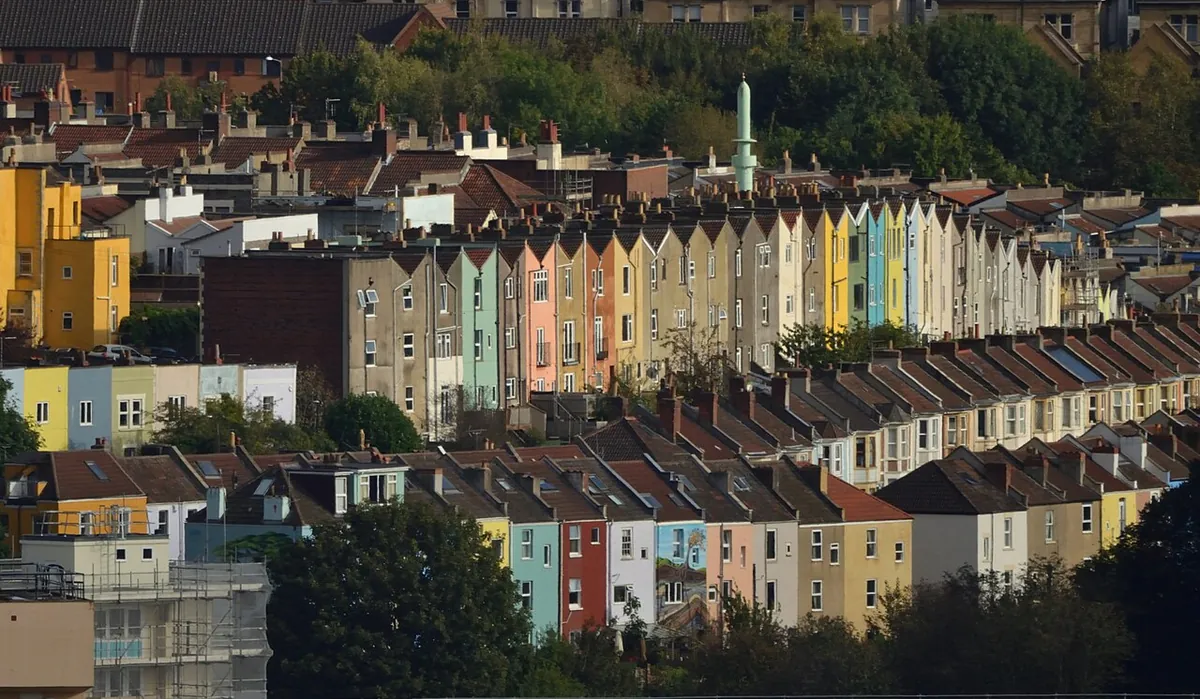
Bristol’s housing changes every few streets, and so does the best place for a heat pump. A few patterns we see over and over:
Victorian and Edwardian terraces
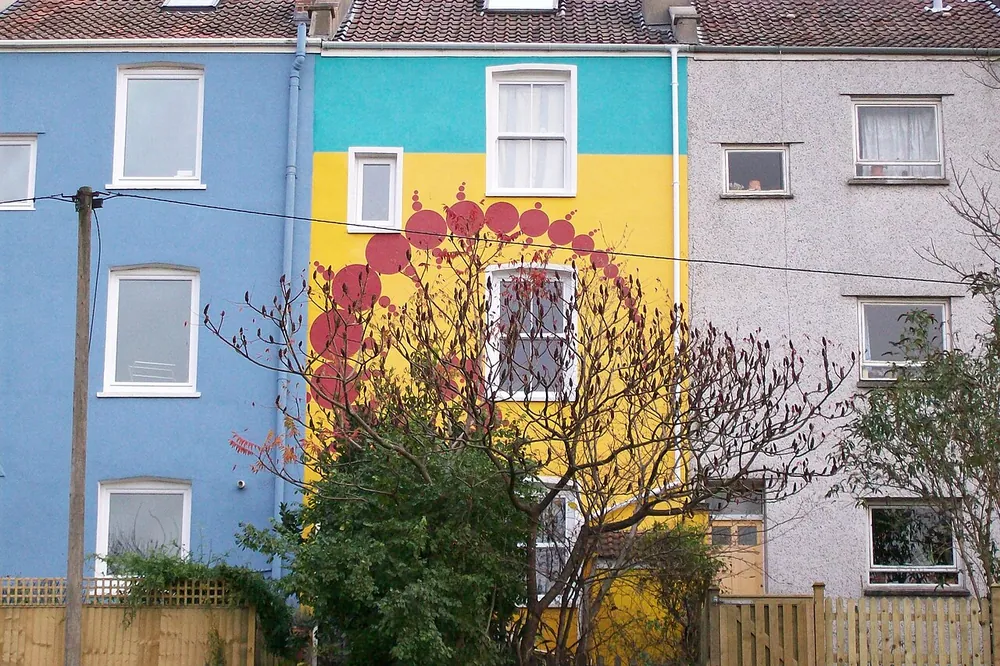
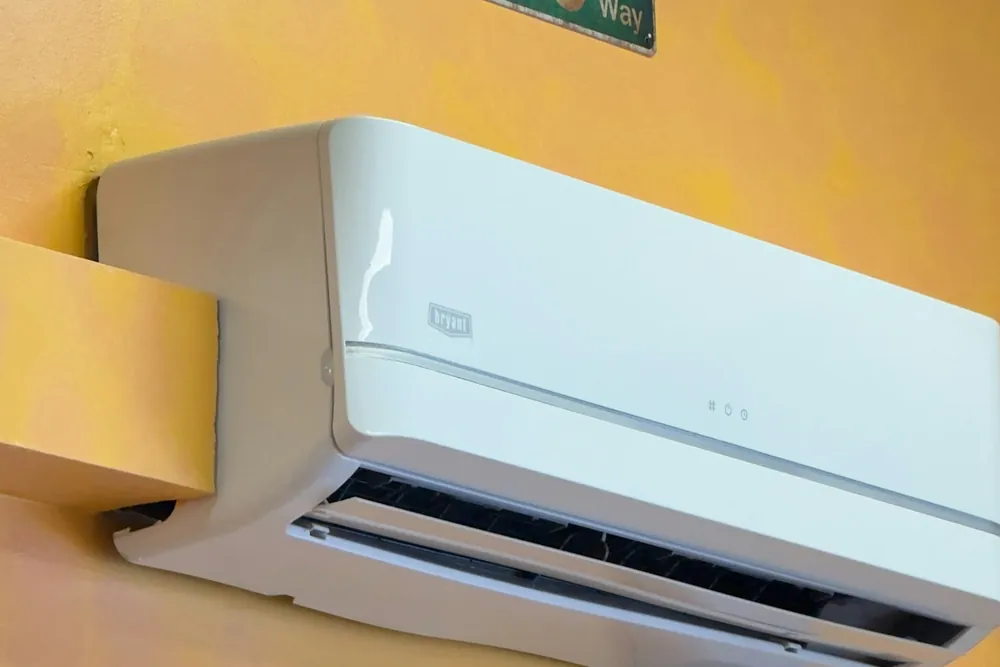
Bedminster, Southville, Easton, Totterdown, Bishopston and Horfield are lined with them. Rooms are modest, back yards are small and the gas boiler often struggles to heat a cold rear bedroom or loft conversion. One or two indoor units on a single outdoor unit tucked into the yard is a common answer.
Georgian and Regency houses
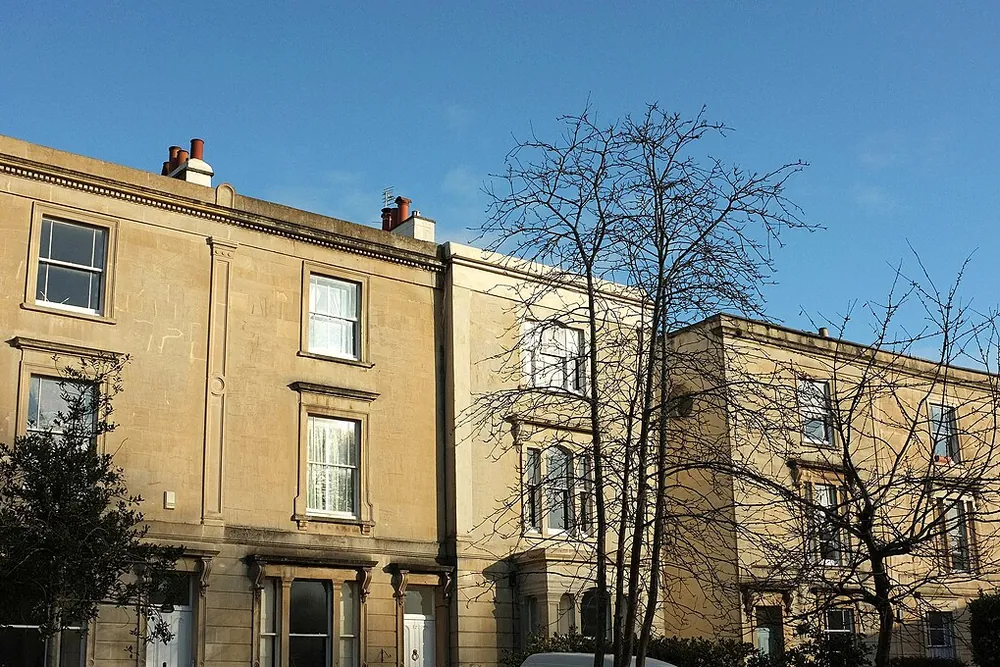
Clifton, Hotwells and Kingsdown have tall ceilings, big sash windows and plenty of listed buildings. Here we look for rear or side positions that won’t affect the street scene, and talk to you early if listed building consent might be needed.
Interwar and post-war semis
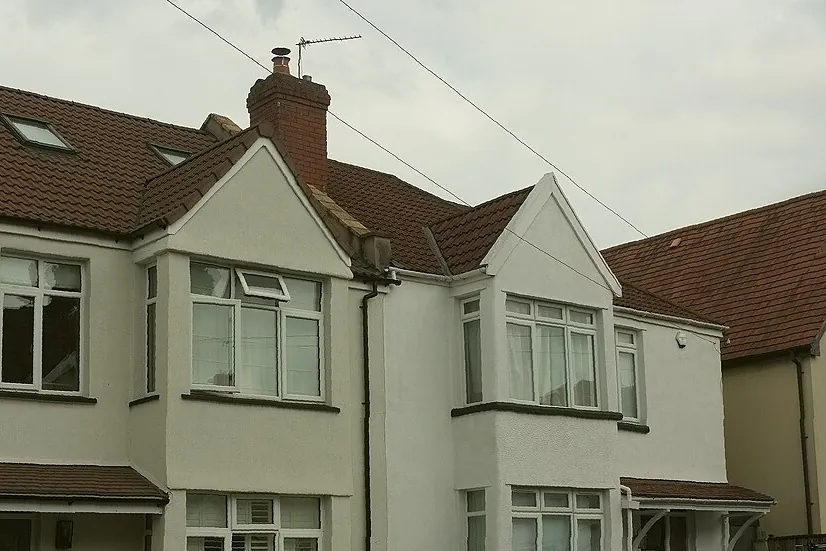
Henleaze, Westbury-on-Trym, Knowle, Filton and Brislington are full of 1930s–1950s houses with radiators throughout. Some owners use air-to-air to heat the rooms they live in most; others prefer a full air-to-water swap of the boiler.
City-centre and harbourside flats
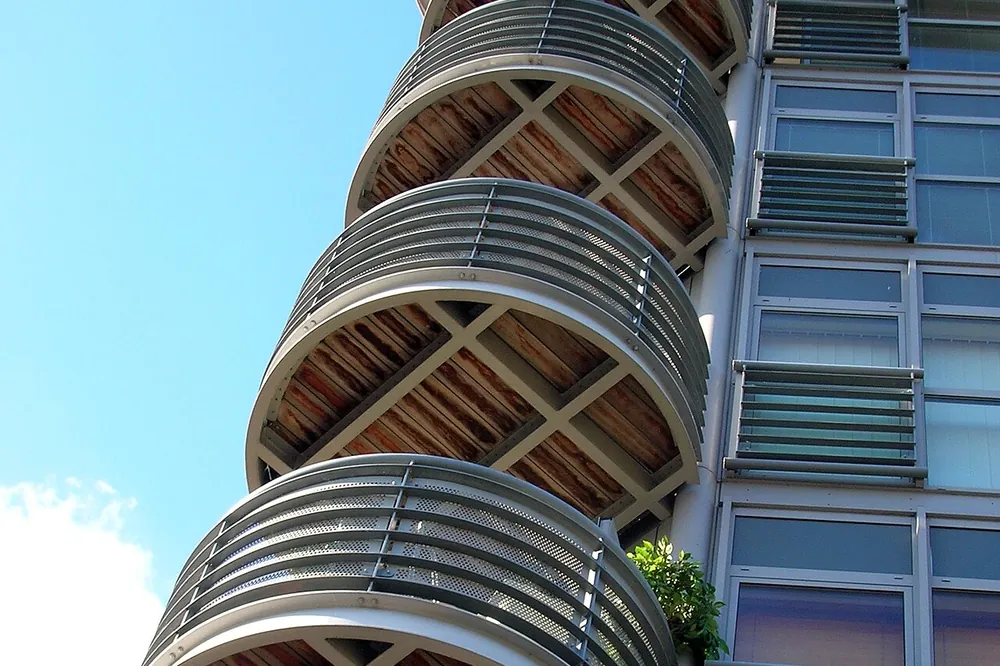
Newer blocks around the Harbourside, Temple Quarter and Wapping Wharf are often electrically heated and can overheat badly in summer. Balcony-mounted outdoor units, with the management company’s approval, tend to work well.
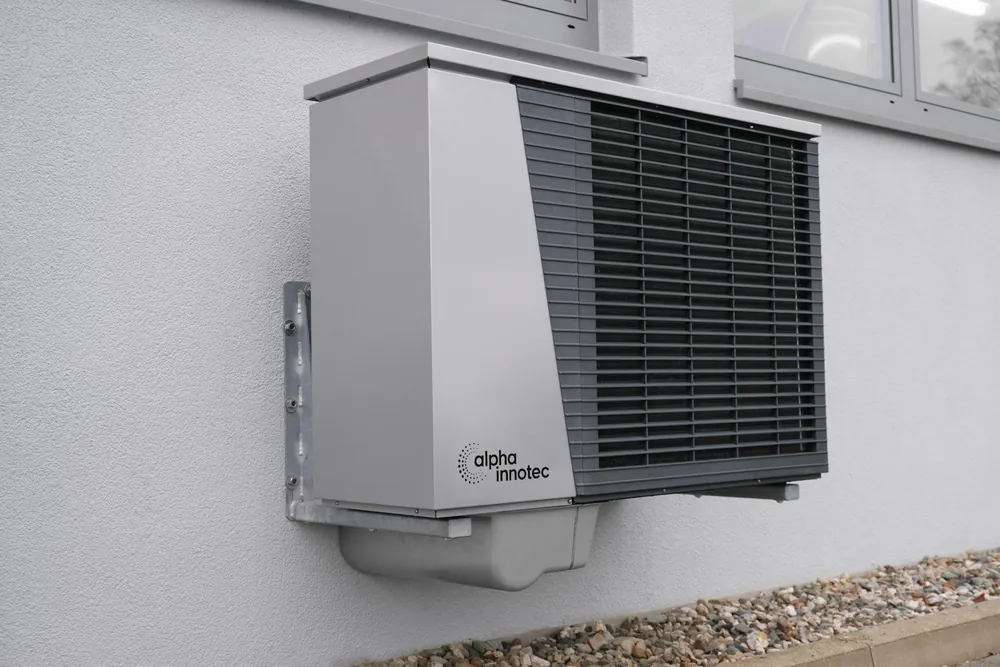
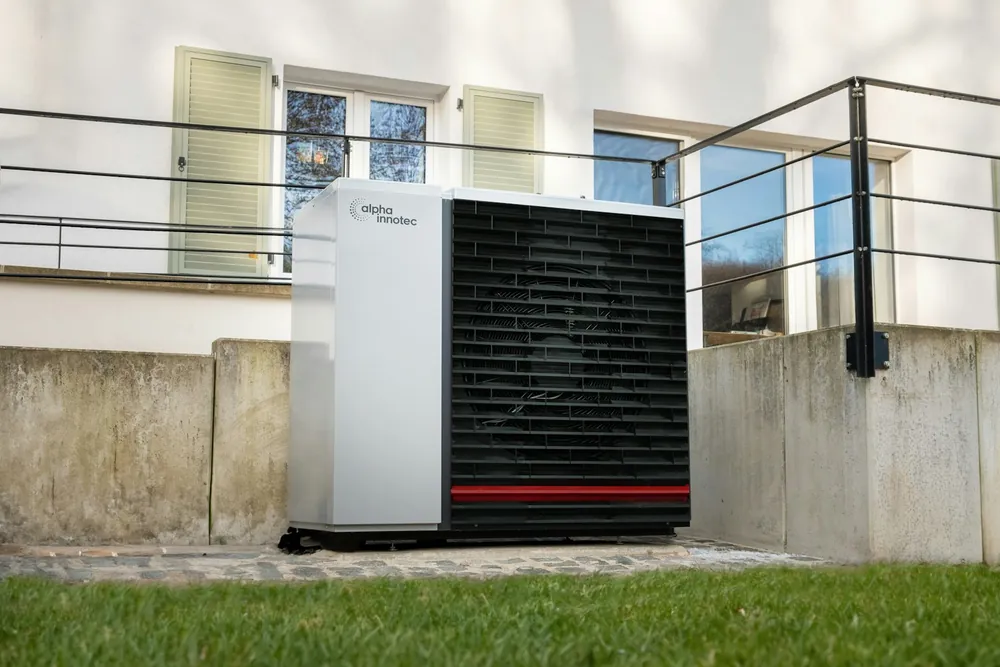
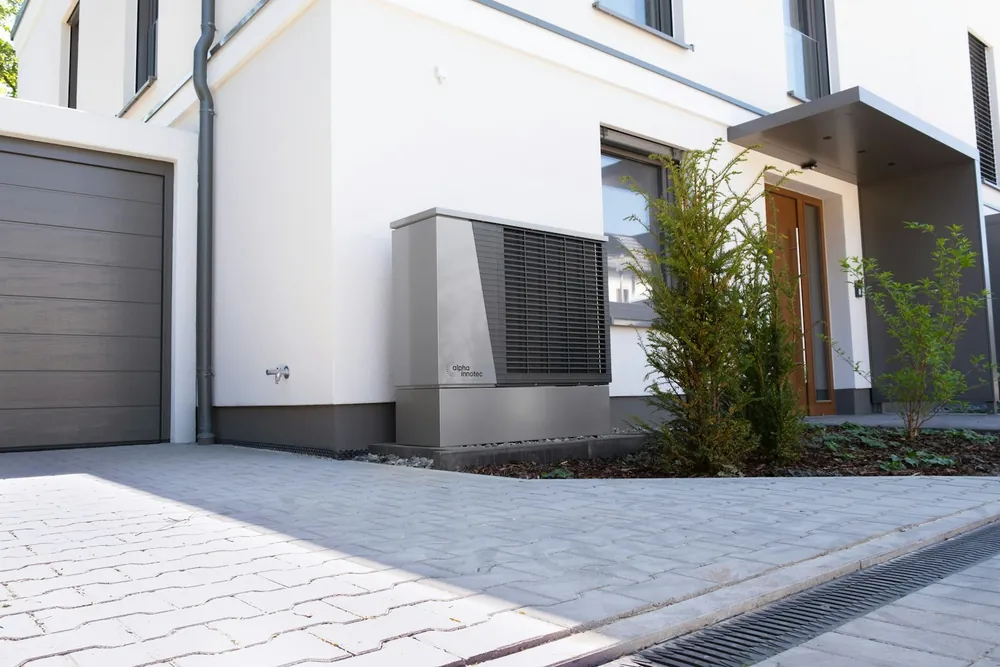
Wherever you are, the outdoor unit needs free airflow, a solid wall or base, a run for its condensate water and a position that keeps noise away from bedroom windows — yours and your neighbours’. Those details are what the survey is for. See the full list of districts we cover.