Air Source Heat Pumps: Replacing Your Boiler in Bristol
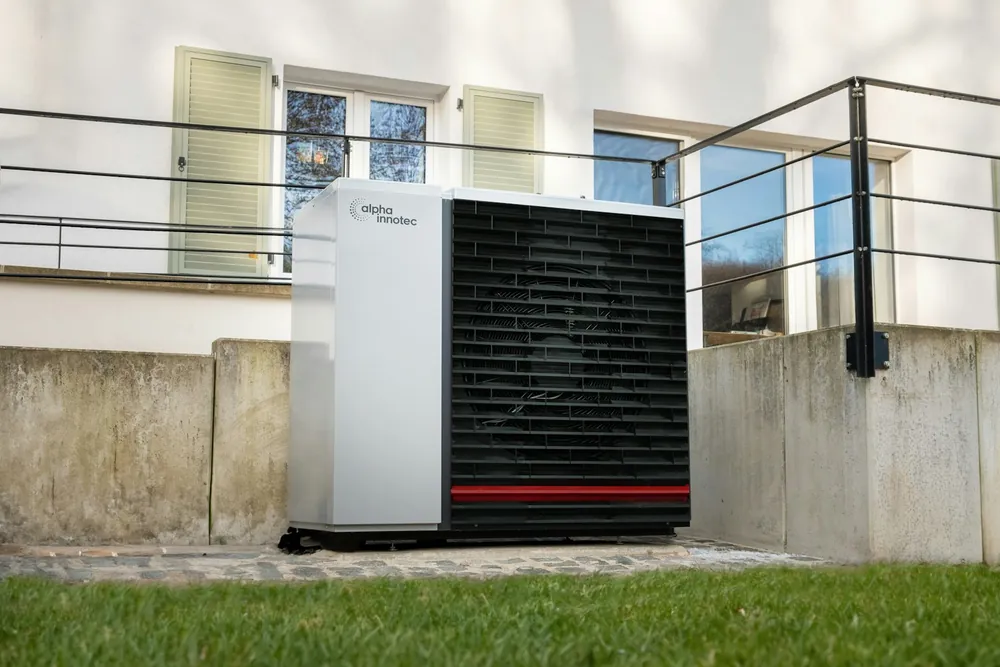
When people say “air source heat pump” they usually mean an air-to-water system. It does the job a boiler does: heats water that circulates through radiators or underfloor pipes, and keeps a cylinder of hot water ready for baths and showers. The difference is where the heat comes from. Instead of burning gas or oil, the outdoor unit takes it from the air.
For a Bristol home with radiators and a gas boiler nearing the end of its life, this is the main way to go fully low-carbon. Under the Boiler Upgrade Scheme it can attract £7,500, rising to £9,000 until March 2027 if you are replacing oil or LPG and have no mains gas.
How It Differs From an Air-to-Air System
| Air-to-water | Air-to-air | |
|---|---|---|
| Delivers heat through | Radiators or underfloor heating | Wall-mounted fan units |
| Hot water | Yes, via a cylinder | No |
| Summer cooling | Not normally | Yes |
| Usually replaces | The whole boiler system | Electric heaters, or heats selected rooms |
| Fitting time | Several days | A day or two |
| Typical price | £8,000 – £14,000 before grant | £1,500 – £3,500 a room |
| Grant | £7,500 (£9,000 off oil/LPG to March 2027) | £2,500 |
If you’re unsure which route suits, our air-to-air page explains the alternative. We fit both and some homes benefit from a mix.
Will It Work in My House?
Most Bristol houses can take an air-to-water heat pump. What we look at on the survey:
- Somewhere for the outdoor unit — a rear wall, side return, garden or flat roof with decent airflow and a sensible distance from neighbours.
- Room for a cylinder — often the airing cupboard, a utility room or the loft if the structure allows. Combi-boiler homes need to find a spot.
- The radiators — heat pumps run cooler water than boilers (typically 35–55°C), so some radiators may need to be larger.
- Insulation and draughts — sensible loft and wall insulation make the system smaller and cheaper to run.
- Existing pipework — narrow microbore pipes in some 1970s and 1980s homes may need upgrading.
Solid-walled Victorian terraces in Easton or Bedminster are perfectly workable, but the design has to account for their higher heat loss. Interwar semis in Henleaze, Horfield and Westbury-on-Trym are often straightforward. Flats are usually better suited to air-to-air.
Design to MCS Standards
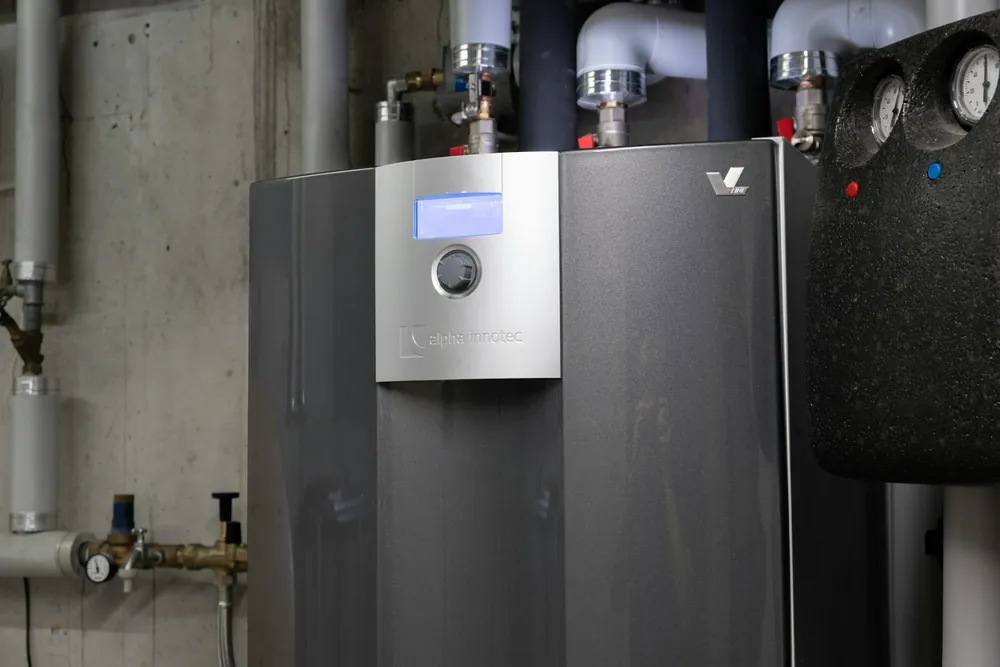
To qualify for the grant, the system must be designed and installed by an MCS-certified installer to MCS standards. That includes a room-by-room heat-loss calculation, choosing the heat pump capacity, checking every radiator’s output at the planned flow temperature, sizing the cylinder and working out the expected noise level at the nearest neighbouring window. Done properly, this is what makes a heat pump cheap to run. We confirm the certification arrangements for your installation in writing alongside the quote.
Installation Week
Take out the old system
Boiler disconnected and removed; for oil homes, the tank decommissioned if you’re switching completely.
Outdoor unit in place
Fixed on a level base or brackets, connected to the house with insulated flow and return pipes.
Cylinder and controls
New cylinder, buffer or expansion vessels as designed, and a smart controller fitted.
Radiator changes
Any undersized radiators swapped for larger ones identified in the design.
Fill, balance, commission
System filled, flushed, balanced and tested, then we show you the controls and schedules.
Most homes take three to five working days. We plan the order of work so you keep hot water for as much of the time as possible.
Bristol House Types and Air-to-Water
Victorian terraces with solid brick or stone walls lose heat faster than cavity-walled houses, so they need a larger heat pump or improved insulation to run at low flow temperatures. Interwar semis usually have cavity walls that can be filled cheaply, making them good candidates. Post-war and modern houses are often the easiest of all. Whatever the age, the heat-loss calculation decides the size, and the radiator check decides what needs changing.
Outdoor Unit Positions
Air-to-water outdoor units are larger than most air-to-air units. Common positions in Bristol are the rear garden on a concrete base, a side passage with good airflow or, occasionally, a flat roof with suitable access. We avoid placing them directly under bedroom windows and check the noise calculation against your neighbours’ windows as part of the design.
Running Costs and Tariffs
A well-designed air-to-water system typically costs less to run than oil, LPG or electric storage heating and is broadly comparable to gas, with savings more likely on a tariff built for heat pumps. The design’s target flow temperature is the biggest lever: the lower it can be while keeping rooms warm, the cheaper every unit of heat becomes. We’ll give you an honest running-cost estimate for your house, not a brochure figure.
Hot Water From a Heat Pump
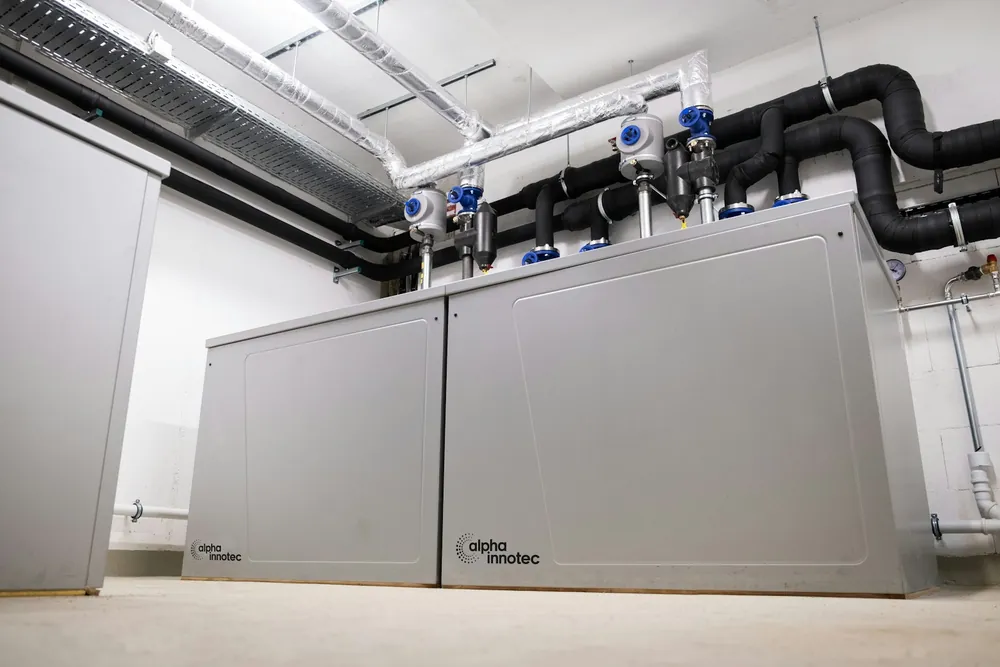
An air-to-water system keeps a cylinder of hot water ready rather than heating it on demand like a combi boiler. The cylinder is sized to your household so morning showers don’t run cold, and a weekly higher-temperature cycle keeps it hygienic. In combi-boiler homes, finding a spot for the cylinder is often the main planning question — a utility room, an under-stairs cupboard or a suitably strengthened loft are common answers.
Smart Controls and Weather Compensation
Modern controllers adjust the water temperature automatically as the weather changes: cooler water on mild days, warmer water when it’s cold. Combined with a schedule set around how you live, this keeps the house comfortable while running the heat pump at its most efficient. We set this up with you on handover and can fine-tune it after the first few weeks of use.
Keeping a Boiler as Backup
Hybrid systems that keep a fossil-fuel boiler running alongside the heat pump are not eligible for the Boiler Upgrade Scheme. In practice a properly sized heat pump doesn’t need a backup in Bristol’s climate.
What Bristol customers typically pay
Boiler swaps cost more than room units, but up to £7,500 grant — £9,000 for oil and LPG homes — takes a big bite out.
- One room, air-to-air£1,500 – £3,500
- Two rooms on one outdoor unit£3,000 – £6,000
- Four or more rooms£5,000 – £12,000+
- Air-to-water heat pump (boiler swap)£8,000 – £14,000
Ranges reflect typical Bristol installs in 2026. We confirm an exact figure in writing after visiting the property. How we price a job.
Official Information
- GOV.UK: apply for the Boiler Upgrade Scheme — who can apply and how much the grant is.
- MCS: Microgeneration Certification Scheme — how certified heat pump installations are designed and checked.
Opens in a new tab. These organisations don’t endorse us.