Air to Air Heat Pump Installation in Bristol
A reversible air-to-air heat pump is the most direct way to turn electricity into comfortable room temperature. One indoor head on the wall, one outdoor unit on a bracket or base, and a slim bundle of pipes and cable joining them. It heats when you need heat, cools when you need cooling and does both far more cheaply than an electric heater or portable air conditioner.
This page covers how we plan an installation in a Bristol home, what happens on the day, the rules around planning and listed buildings, and how to get the best from the system once it’s running.
The Kit, Explained Simply
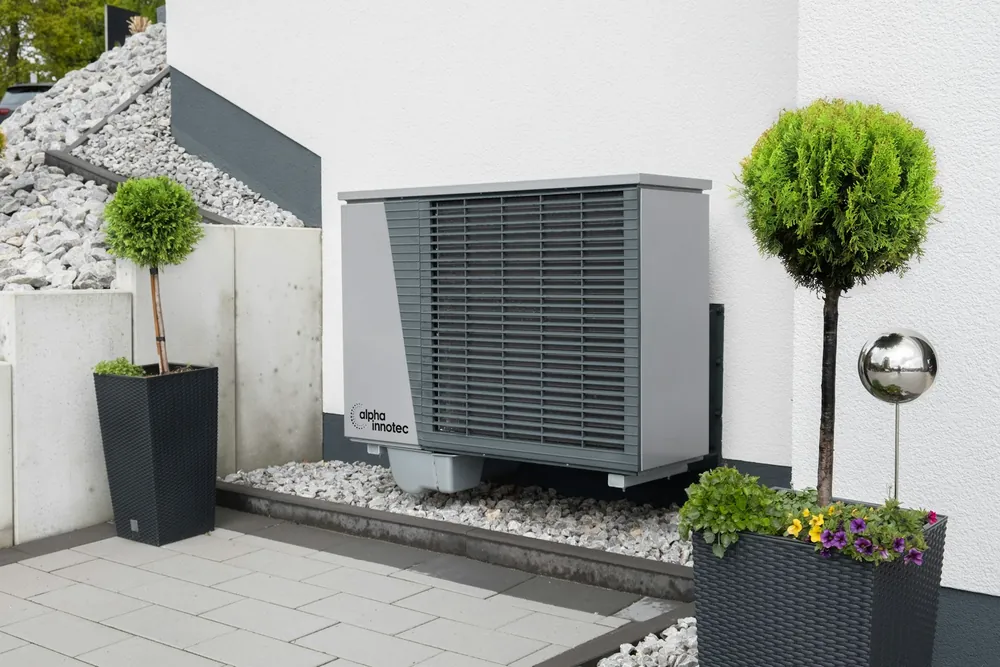
Outdoor unit
Contains a fan, a large finned coil and the compressor. It draws outdoor air across the coil, where refrigerant collects warmth from it. Units range from compact single-room models to larger multi-split boxes that feed several rooms. They make a gentle hum when working hard and are designed to live outside in all weathers.
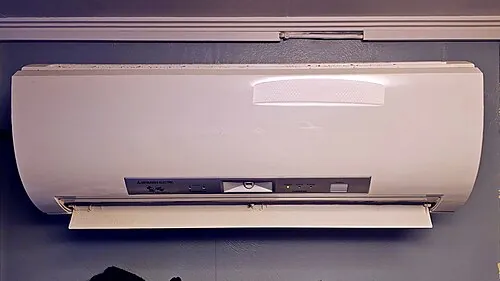
Indoor unit
Usually a high-wall “head” around 80–90cm long, though floor consoles suit low-ceilinged loft rooms and ducted units can be hidden in a ceiling void. It has a filter, a coil, a quiet fan and louvres that direct air around the room.
Pipework and drain
Two insulated copper pipes carry refrigerant between the units, alongside a control cable and a small plastic drain for the condensation produced in cooling mode (and the defrost water outside in winter). Everything passes through a single core hole roughly the diameter of a drinks can.
Single Split or Multi-Split?
A single split is one outdoor unit for one indoor unit. It’s the most efficient arrangement and the simplest to service, and it suits a living room, bedroom or office. You can fit several side by side.
A multi-split runs two to five indoor heads from one larger outdoor unit. It keeps the back of the house tidier — useful on narrow Bristol terraces where wall space is precious — and each room still has its own controls. The trade-off is that if the outdoor unit needs attention, every room it serves is affected.
How We Size Each Room
We don’t pick units by floor area alone. On the survey we note the dimensions, ceiling height, number and type of windows, which walls face outside and what they’re made of, and how well the loft is insulated. That gives a heat-loss figure for a cold winter day, which sets the minimum heating output. We then check the cooling load, especially in top-floor and south-facing rooms.
Getting this right matters. A Georgian room in Clifton with a three-metre ceiling and single-glazed sashes might need double the output of a similarly sized bedroom in a 1990s house in Bradley Stoke. An undersized unit runs flat out and still leaves you cold; an oversized one short-cycles, wastes energy and can be noisier.
Choosing Positions
- Indoor unit: high on a wall with clear air to the room, ideally not blowing straight onto a sofa or bed, and close to an outside wall to keep the pipe run short.
- Outdoor unit: on a solid wall or level base with space around it for airflow, away from bedroom windows, and where the defrost water won’t freeze on a path.
- Route: the neatest way between the two, using colour-matched trunking outside and inside where pipes can’t be hidden.
- Electrics: a dedicated circuit from your consumer unit, which we check on the survey.
What Happens on Installation Day
Prepare
Floors and furniture covered; bracket positions and the core-hole location marked and agreed with you.
Drill and mount
Core hole cut, indoor unit hung and levelled, outdoor unit fixed on anti-vibration mounts.
Connect
Pipes flared and joined, cable and drain connected, trunking fitted.
Test
System pressure-tested with nitrogen, then evacuated to remove air and moisture. By law, only F-gas certified engineers handle the refrigerant.
Commission
Power on, heating and cooling checked, remote and app set up, and a walkthrough with you.
One room typically takes a day. Allow one to three days for multi-room systems. Expect some drilling noise and a little dust around the core hole; everything else is clean work.
Planning, Listed Buildings and Flats
Many air-to-air installs on houses in England fall within permitted development, as long as the outdoor unit meets size, position and noise limits. Bristol brings a few extra considerations:
- Conservation areas cover much of Clifton, Hotwells, Kingsdown, Montpelier, Totterdown and other historic districts. Units on walls facing the street usually need planning permission, so we look to the rear or side first.
- Listed buildings, common in Clifton and the old city, need listed building consent for external equipment.
- Flats need the freeholder’s or management company’s agreement, and blocks of flats have tighter permitted development rules.
Planning Links
- Planning Portal: heat pumps and planning permission — national guidance on when heat pump installations need permission.
- Bristol City Council: conservation areas — find out whether your street sits in one of Bristol’s conservation areas.
- Historic England: National Heritage List — check whether the building is listed.
Opens in a new tab. These organisations don’t endorse us.
Heat Pumps Alongside a Gas Boiler
Plenty of Bristol households keep their gas boiler and add an air-to-air heat pump for the rooms they use most. On a typical evening the living room and kitchen are warmed by the heat pump while the rest of the house stays cooler, and the boiler only fires up for hot water or the coldest snaps. It’s a practical way to reduce gas use without replacing the whole system. Note that the Boiler Upgrade Scheme grant isn’t available where the fossil-fuel system remains the main heating.
Adding Rooms Later
A common pattern: one room first, a full year of living with it, then the rest of the house. If that’s likely, tell us early: a multi-split with spare ports, or space reserved on the wall for a second single split, makes later additions simple. Bear in mind the grant is a one-off per address, so plan the main phase with care.
Getting the Most From It
Heat pumps like to run steadily. Rather than blasting the heat on and off, set a comfortable temperature and let the timer bring rooms up before you need them. Rinse the indoor filters every few weeks — two minutes’ work — and book a yearly service to keep efficiency up and the warranty valid.
What Bristol customers typically pay
Most Bristol customers start with one room. An eligible installation has £2,500 taken off the price.
- One room, air-to-air£1,500 – £3,500
- Two rooms on one outdoor unit£3,000 – £6,000
- Four or more rooms£5,000 – £12,000+
- Air-to-water heat pump (boiler swap)£8,000 – £14,000
Ranges reflect typical Bristol installs in 2026. We confirm an exact figure in writing after visiting the property. How we price a job.